





In recent years, lab-grown diamonds have attracted considerable attention as a contemporary alternative to natural Diamonds. Both have their advantages and carefully weighing the pros and cons before completing your purchase will help you make the right choice. From pricing trends to long-term worth, gaining insight into the full scope of Diamonds will enable you to make a well-informed decision that aligns with your preferences and financial plan.
This guide breaks down all you need to know about lab-grown Diamonds, including their creation process, how they compare to natural stones, and what to consider when shopping in Frederick, MD.
How Lab-Grown Diamonds Are Made
Lab-grown Diamonds are created through two primary methods: High-Pressure, High-Temperature (HPHT) and Chemical Vapor Deposition (CVD). Both processes produce Diamonds that are chemically and physically identical to those formed naturally beneath the Earth's surface.
The HPHT method mimics the intense pressure and heat conditions found deep underground, while CVD uses a gas mixture to deposit carbon atoms layer by layer onto a base material. Both methods can create gem-quality Diamonds within weeks, unlike the lengthy natural process that takes millions of years.
Despite their identical composition, the Gemological Institute of America classifies lab-grown and natural Diamonds separately on grading reports. This distinction matters for resale value and long-term investment considerations.
Price Variations and Market Dynamics
Many customers are drawn to lab-grown Diamonds because of their more affordable starting price. According to industry data compiled by the International Gem Society, lab-grown Diamonds typically cost 40-50% less than comparable natural stones.
Prices for lab-grown Diamonds have been declining steadily. As production becomes more efficient and supply increases, costs continue to drop, raising questions about future value retention. Natural Diamonds, in contrast, have maintained relatively stable pricing over decades due to their finite supply and the time required for their formation.
When shopping for Lab-Grown Diamonds in Frederick, MD., you’ll want to work with a jeweler who offers transparent pricing year-round rather than fluctuating seasonal rates. Consistent pricing helps you plan your budget without worrying about when to buy.
Understanding Value Retention
The resale market for lab-grown Diamonds remains uncertain. Because they can be produced continuously and efficiently, lab-grown stones don't carry the same rarity factor as natural Diamonds. Natural Diamonds form over billions of years under specific geological conditions, making each stone genuinely finite.
For couples considering an engagement ring as both a symbol of commitment and a potential family heirloom, this distinction matters. Natural Diamonds have historically retained value across generations, while the long-term market for lab-grown stones is still developing.
Certification and Grading Standards
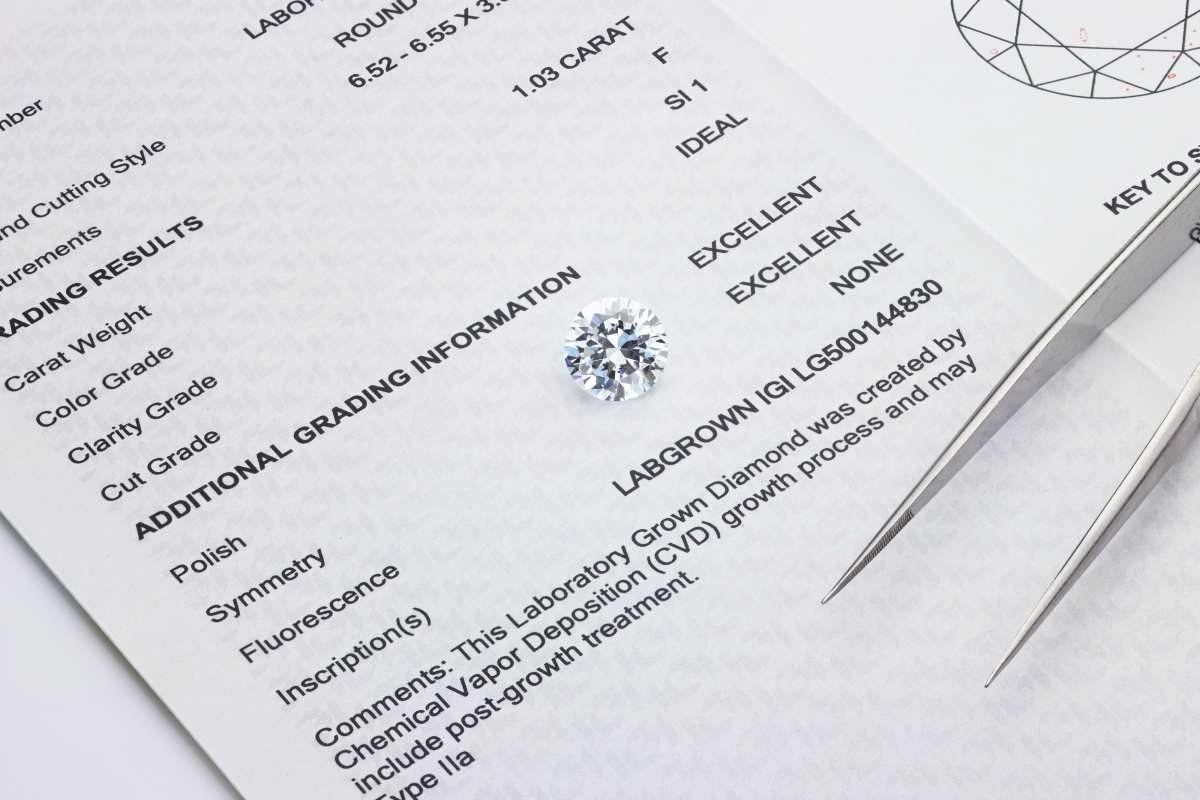
Whether you choose lab-grown or natural, certification is non-negotiable. Reputable gemological organizations like the GIA provide detailed grading reports for both types of Diamonds, noting cut, clarity, color, and carat weight. When shopping for lab-grown Diamonds in Frederick, Md., ask to see the certification for any stone you're considering.
A certified gemologist can walk you through the grading report and explain how different characteristics affect both appearance and price.
Environmental and Ethical Factors
Marketing for lab-grown Diamonds frequently highlights their environmental advantages, but the actual situation is more nuanced. While lab-grown Diamonds are not mined, the production process still does require substantial energy, and the facility's ecological impact depends mainly on the energy source it uses. The Federal Trade Commission has warned companies against making unsubstantiated environmental claims about lab-grown Diamonds.
Natural Diamonds sourced through ethical channels and certified as conflict-free are a responsible option. The Kimberley Process Certification Scheme, established by the United Nations, works to prevent conflict Diamonds from entering the legitimate trade. Trusted jewelers offer documentation that demonstrates their natural Diamonds comply with these ethical standards.
Making Your Decision
The choice between lab-grown and natural Diamonds ultimately relies on your personal values and preferences. Lab-grown stones offer a lower entry price point and identical physical properties. Natural Diamonds provide rarity, established value retention, and a connection to billions of years of geological history.
Reflect on these questions:
- How important is it for you to maintain long-term value and potential resale?
- Do you prefer a stone created in weeks or one formed over millions of years?
- What matters most in terms of your budget and timeline?
- Are you seeking a piece that can be handed down through generations?
Both choices warrant careful consideration, and the best decision relies on what is most significant for you.
Colonial Jewelers: Your Trusted Frederick, MD. Partner for Diamond Selection
Making an informed Diamond purchase requires more than online research. It calls for hands-on experience, professional consultation, and the opportunity to compare stones side by side.
Colonial Jewelers has served the Frederick, Maryland community for over 77 years, offering both lab-grown and natural Diamonds with transparent guidance on each option. Our GIA-certified gemologists provide honest, pressure-free consultation to help you understand the whole picture before making your investment. With a free lifetime warranty on engagement rings, interest-free financing options, and in-house custom design services, Colonial Jewelers makes the process personal and stress-free.
Visit our showroom, give us a call at (301) 663-9252, or contact us online to discuss your options with jewelry professionals who put education and relationship-building first.