





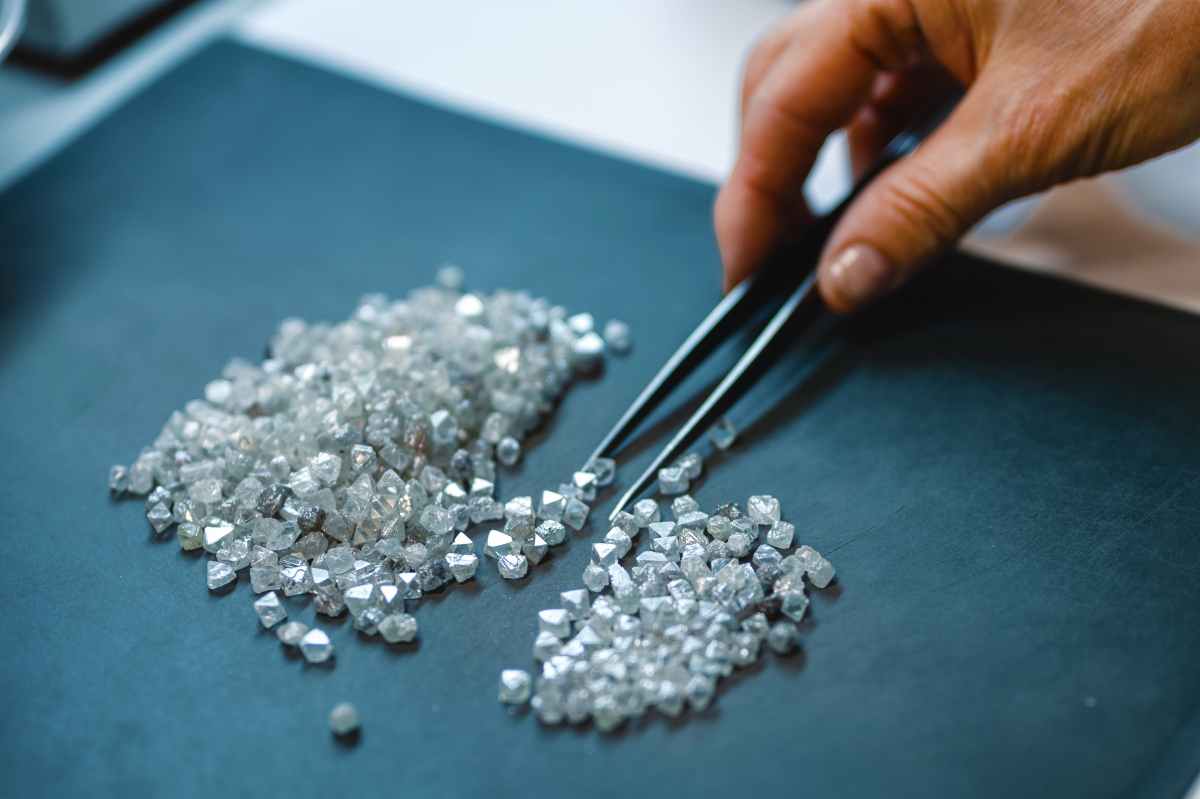
Lab-grown Diamonds have revolutionized the jewelry industry in the last decade. Once a niche alternative, they now sit alongside natural Diamonds in showrooms across the country, including right here in Frederick, Maryland. But how exactly are these stones created, and what determines their price?
Gaining insight into the science, production techniques, and pricing factors can empower you to make an educated choice when purchasing your next piece of fine jewelry. This guide will walk you through the two primary methods used to create lab-grown Diamonds, explain what influences their cost, and clarify how these stones compare to their natural counterparts.
The Two Methods for Producing Lab-Grown Diamonds
Lab-grown Diamonds are created through advanced technologies that mimic the environmental conditions that lead to the formation of natural Diamonds over millions of years. According to the Federal Trade Commission, lab-grown Diamonds are real Diamonds. They have the same chemical, physical, and optical properties as mined stones. Let’s break down the two main techniques for producing them.
High Pressure High Temperature (HPHT)
First is the High Pressure High Temperature technique, which replicates the natural way Diamonds form by subjecting carbon to immense pressure and temperature. A tiny Diamond seed is placed in a chamber alongside a carbon source, usually made of graphite. The chamber is then heated to temperatures exceeding 2,700 degrees Fahrenheit and subjected to pressures around 1.5 million pounds per square inch.
Under these circumstances, the carbon liquefies and starts to develop a Diamond around the seed crystal. This process can take several days or weeks, depending on the intended size.
Chemical Vapor Deposition (CVD)
CVD represents a more recent technological advancement. This method inserts a Diamond seed into a sealed chamber filled with carbon-rich gases, usually methane. The chamber is heated to around 1,500 degrees Fahrenheit. Energy, often in the form of microwaves or lasers, breaks gas molecules apart, allowing carbon atoms to deposit onto the seed in layers.
The CVD process yields Diamonds of exceptional quality and clarity. The process typically takes several weeks as the Diamond grows layer by layer, and this method enables greater control over the Diamond’s characteristics.
What Affects the Pricing of Lab-Grown Diamonds
Similar to natural Diamonds, lab-grown stones can be assessed based on the Four Cs: cut, color, clarity, and carat weight. However, several additional factors influence their pricing.
Production Costs and Technology
The equipment required to create lab-grown Diamonds represents a significant investment. According to research published by the National Institutes of Health, HPHT presses can cost between $600,000 and $1 million per unit, while CVD reactors range from $200,000 to $600,000. The energy used during production also contributes to the final price.
Size and Growing Time
Larger Diamonds require longer production times, which increases costs. Growing a one-carat Diamond can take a month or more, while larger stones may take several months. Lab-grown Diamonds usually have a price that is 60 to 80% lower than that of similar natural stones.
Quality Grading
Just as with natural Diamonds, quality matters significantly. Lab-grown Diamonds with better color grades (closer to colorless) and higher clarity grades command higher prices. The precision of the cut also affects both beauty and value. Stones certified by reputable grading laboratories like the Gemological Institute of America (GIA) or the International Gemological Institute command higher prices due to the added assurance of quality.
Market Dynamics
The lab-grown Diamond market has evolved rapidly. As production has scaled up, prices have generally trended downward. However, lab-grown Diamonds may not retain their value as consistently over time as natural Diamonds do.
Lab-Grown Diamonds vs. Natural Diamonds
Both types of Diamonds are identical in chemical composition, consisting of pure carbon atoms arranged in a crystal lattice. They look the same to the naked eye and can only be distinguished through specialized equipment. The Federal Trade Commission requires that lab-grown Diamonds be clearly designated, protecting consumers and maintaining transparency.
The decision to select a lab-grown or natural Diamond usually hinges on individual preference. Natural Diamonds hold billions of years of geological history and are a limited natural resource. Many customers appreciate the romance and tradition associated with stones formed by nature.
Making Your Choice with Expert Guidance
When shopping for lab-grown Diamonds, residents in Frederick, Md. should seek out jewelers who offer both transparency and expertise. Working with experienced professionals means you will receive accurate information, proper certifications, and fair pricing, no matter which type of Diamond you choose.
While some retailers adjust their pricing seasonally, consistent pricing year-round provides better value and eliminates the pressure to buy during specific windows. Many local jewelers also offer on-site support and a free lifetime warranty.
Colonial Jewelers: Your Trusted Partner for Fine Diamonds in Frederick
Whether you’re drawn to the timeless appeal of natural Diamonds or interested in modern lab-grown alternatives, Colonial Jewelers has over 77 years of expertise to help you make the right choice. Our GIA-certified gemologists hand-select every Diamond in our showroom, guaranteeing exceptional quality regardless of origin.
Visit our Frederick location to see our selection in person, call (301) 663-9252 to speak with a knowledgeable consultant, or contact us online to schedule a personalized appointment.